

GYSS 2026
Pushing Boundaries, Building Bridges
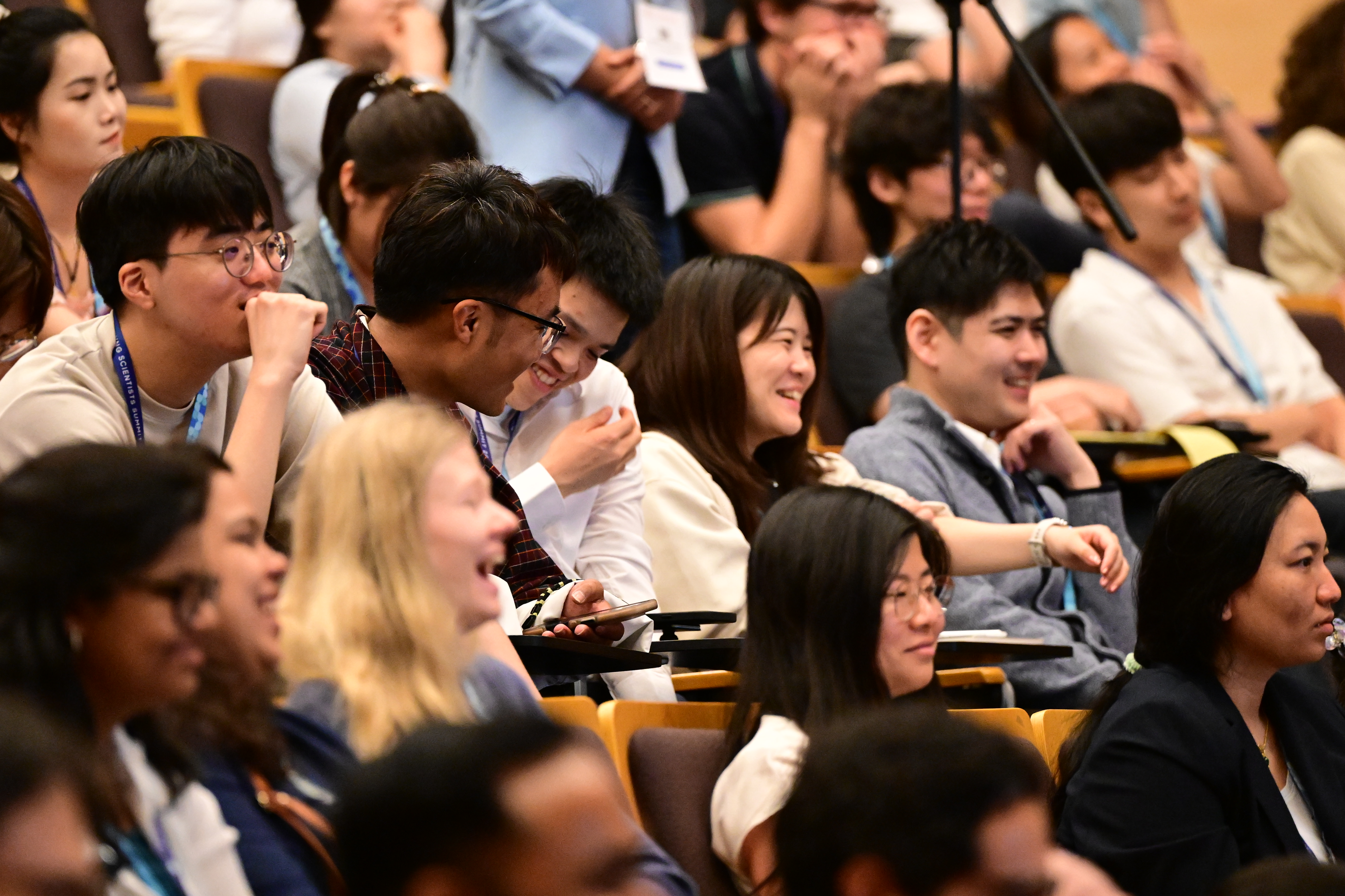
From January 5 to 9, young researchers from across the globe gathered at the 14th Global Young Scientists Summit to explore the future of research—from the power of inclusivity to the promise and perils of generative AI.
Returning for its 14th iteration, the Global Young Scientists Summit (GYSS), organised by the National Research Foundation (NRF), brought together its largest and most diverse group yet. Roughly 350 young researchers from 57 countries converged in Singapore to engage with 21 distinguished speakers, including ACM Prize, Fields Medal, Millennium Technology Prize, Stockholm Water Prize, Turing Award, and Nobel Prize winners.
Participants heard from distinguished speakers in panel huddles, plenary lectures and in cozy fireside chats. In the spirit of collaboration, participants themselves got the chance to present their research to their peers in the quickfire pitches and poster sessions.
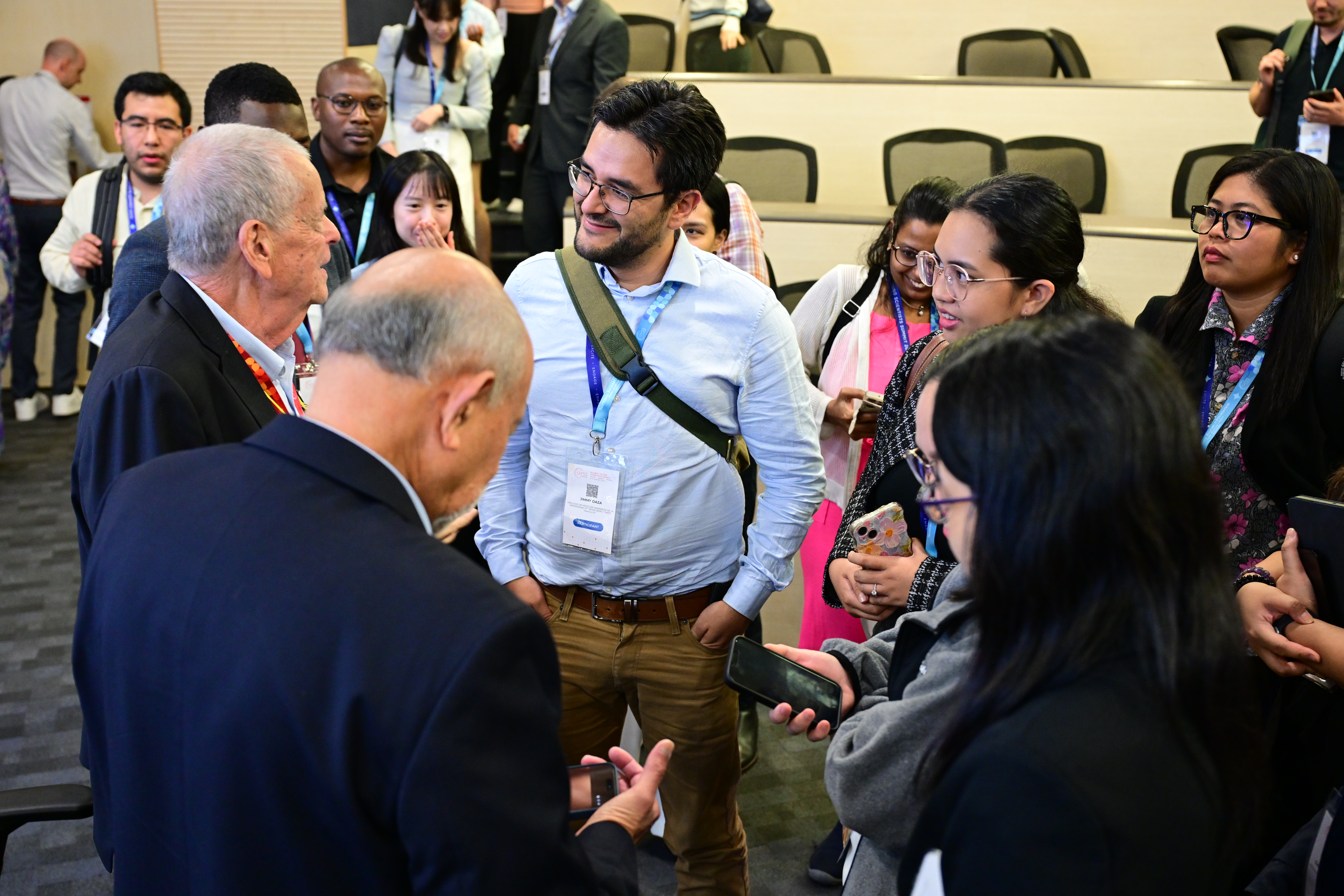
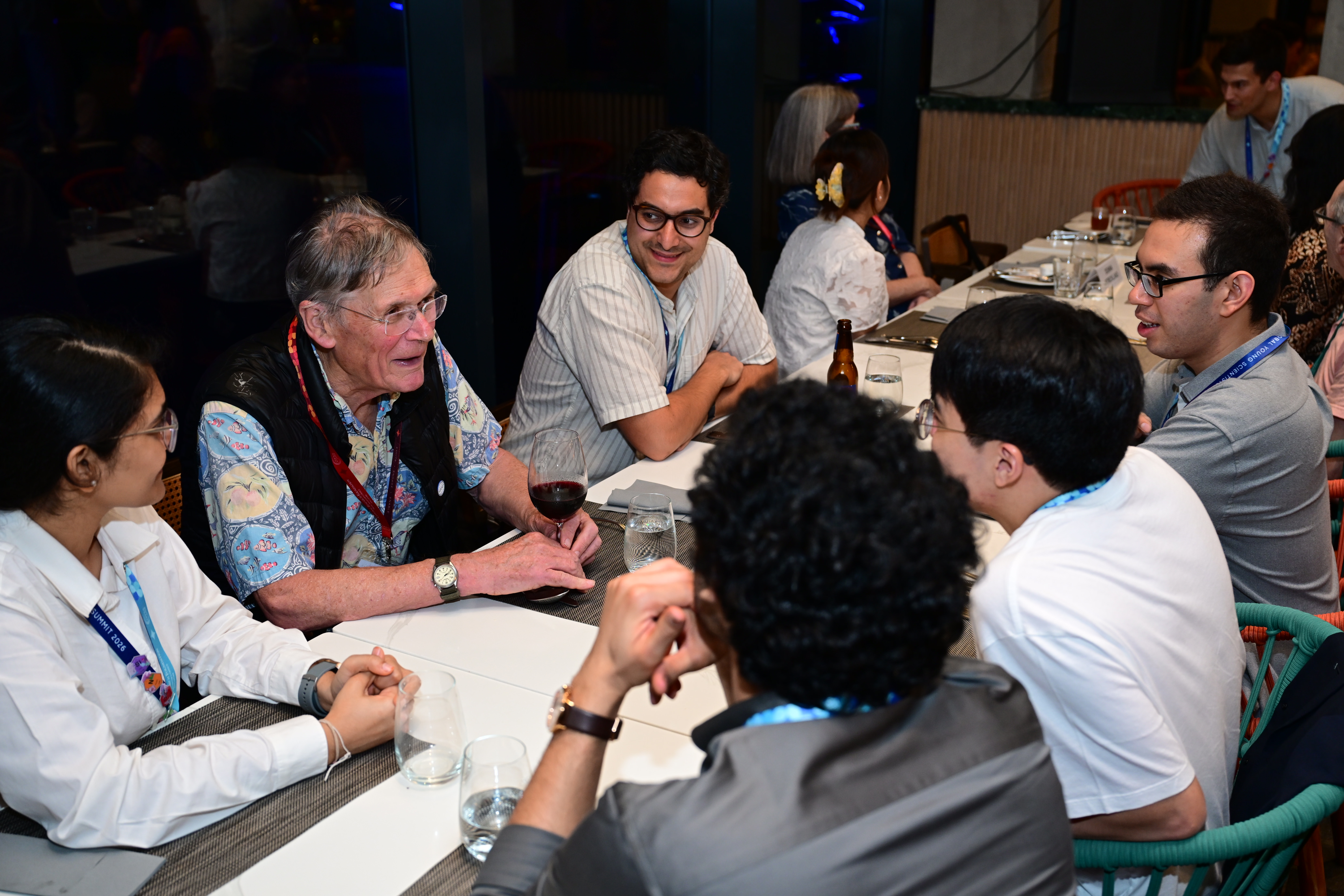
This year, young researchers also had the opportunity to mingle with the laureates at an exciting networking dinner. At dinner together, participants got up close and personal with their research heroes, asking questions, listening to heartfelt stories and sharing their research.
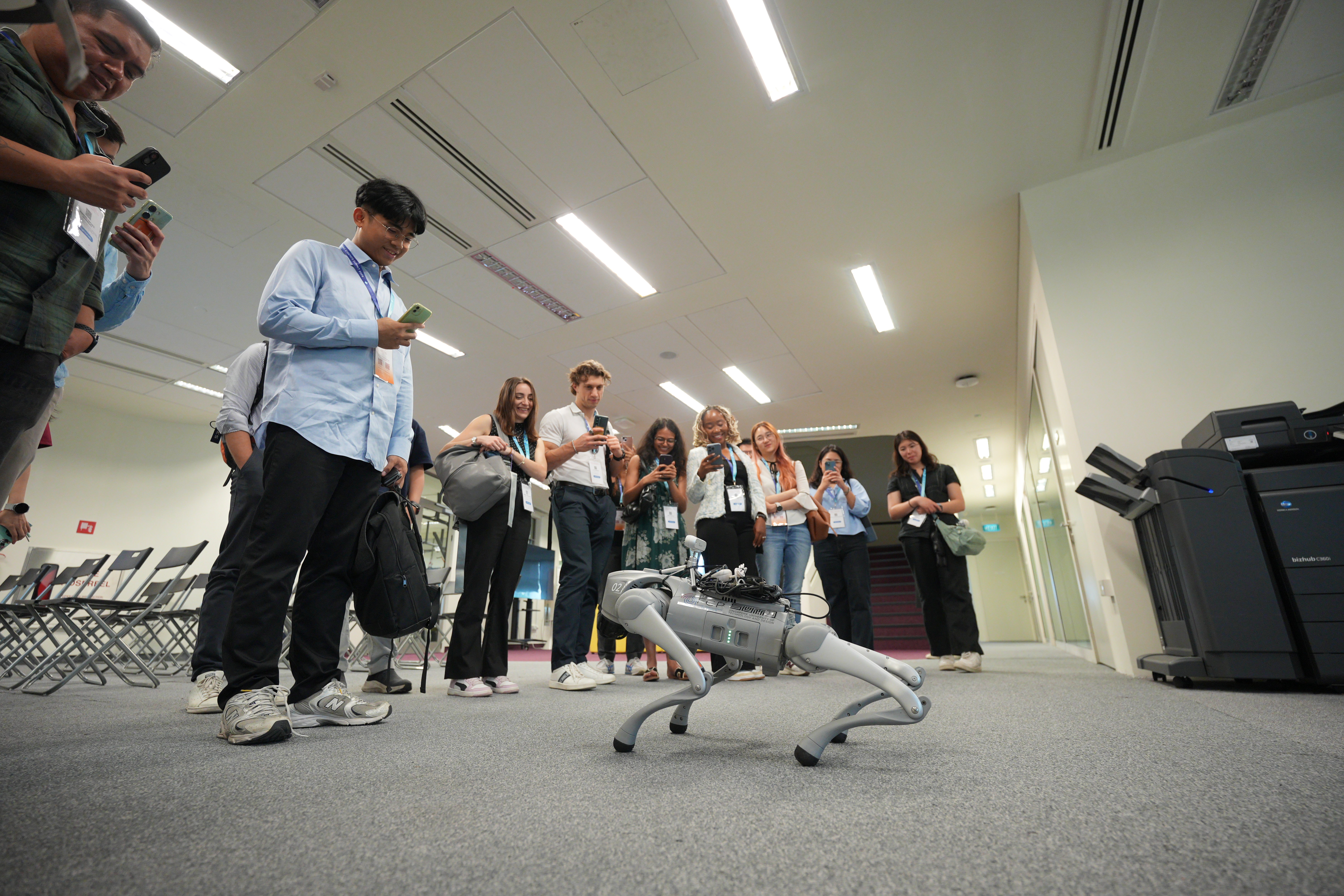
The summit began with participants exploring Singapore's research ecosystem through visits to local universities including Nanyang Technological University (NTU), National University of Singapore (NUS), Singapore Management University (SMU), and Singapore University of Technology and Design (SUTD). They also visited Singapore’s thriving research centres such as the Agency for Science, Technology and Research (A*STAR) and NRF's Campus for Research Excellence and Technological Enterprise (CREATE).
In his opening address, Mr Heng Swee Keat, Chairman of NRF, outlined three key trends shaping science's future: AI and machine learning, quantum computing and interdisciplinary collaboration. The opening plenary by Professor David Baker, 2024 Nobel Prize winner in Chemistry, emphasised this convergence. He shared with participants how his diverse background and interdisciplinary team harnessed AI image generation methods to design entirely new proteins.
The first panel huddle, Breaking Barriers, Leading Change: Challenges in STEM, featured Professor Donna Strickland, Professor Joan Rose, Professor Kae Nemoto, and Dr Patricia Lee—leaders championing inclusivity in science. Discussing their journeys of success, Professor Strickland emphasised the importance of embracing uncertainty in education: "We spend too much time trying to teach all the science that we already know, and not about the fact that, once you are scientists, it's about what you don't know."
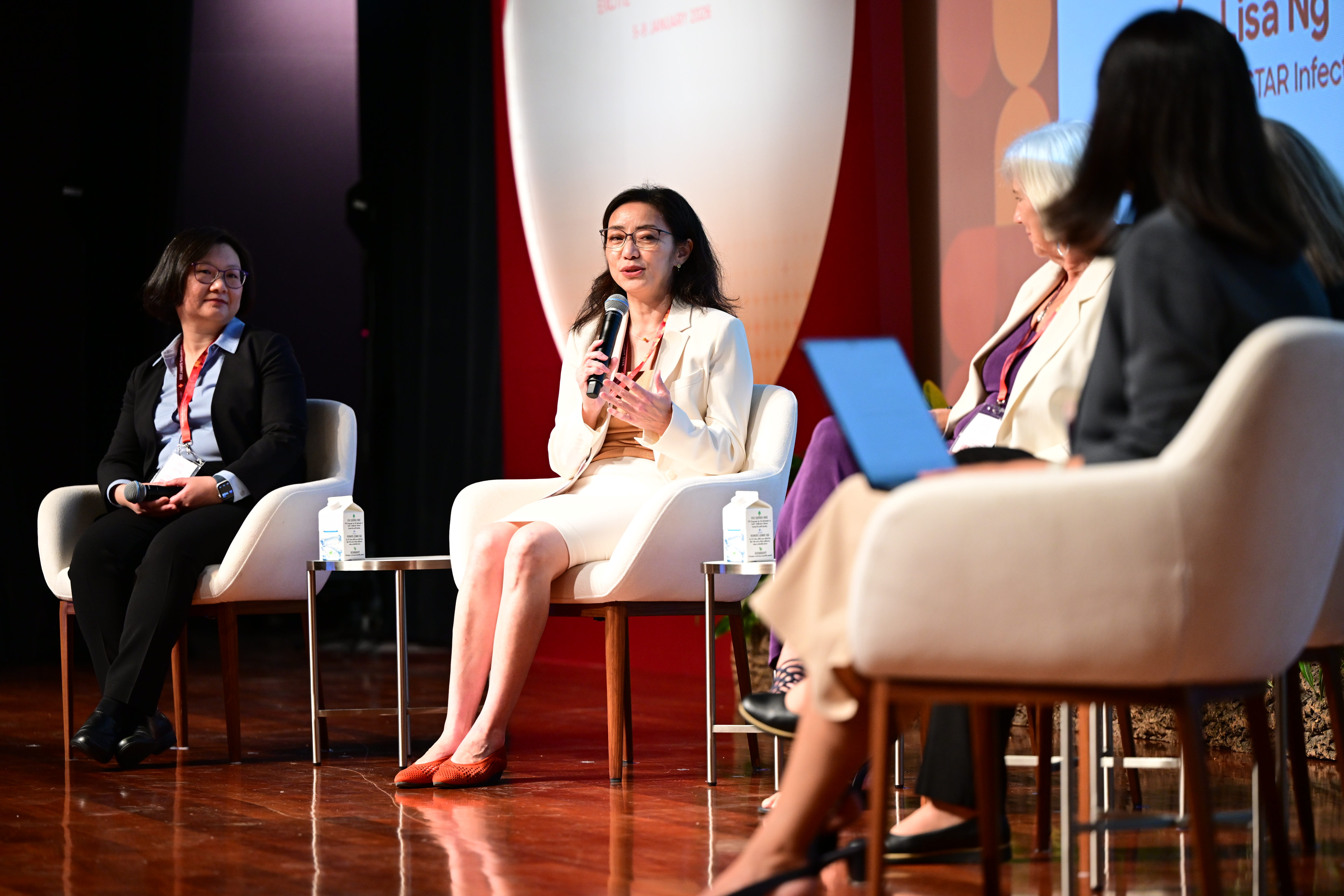
The Geopolitics to Genomics: Concurring Minds in a Multipolar World panel explored science's role in global politics. Despite differences and geopolitical challenges, Professor Randy Schekman highlighted the enduring power of scientific collaboration. "The information continues to flow freely,” he said. “Meetings like this where international students gather are a source of great pride and scientific advancement."
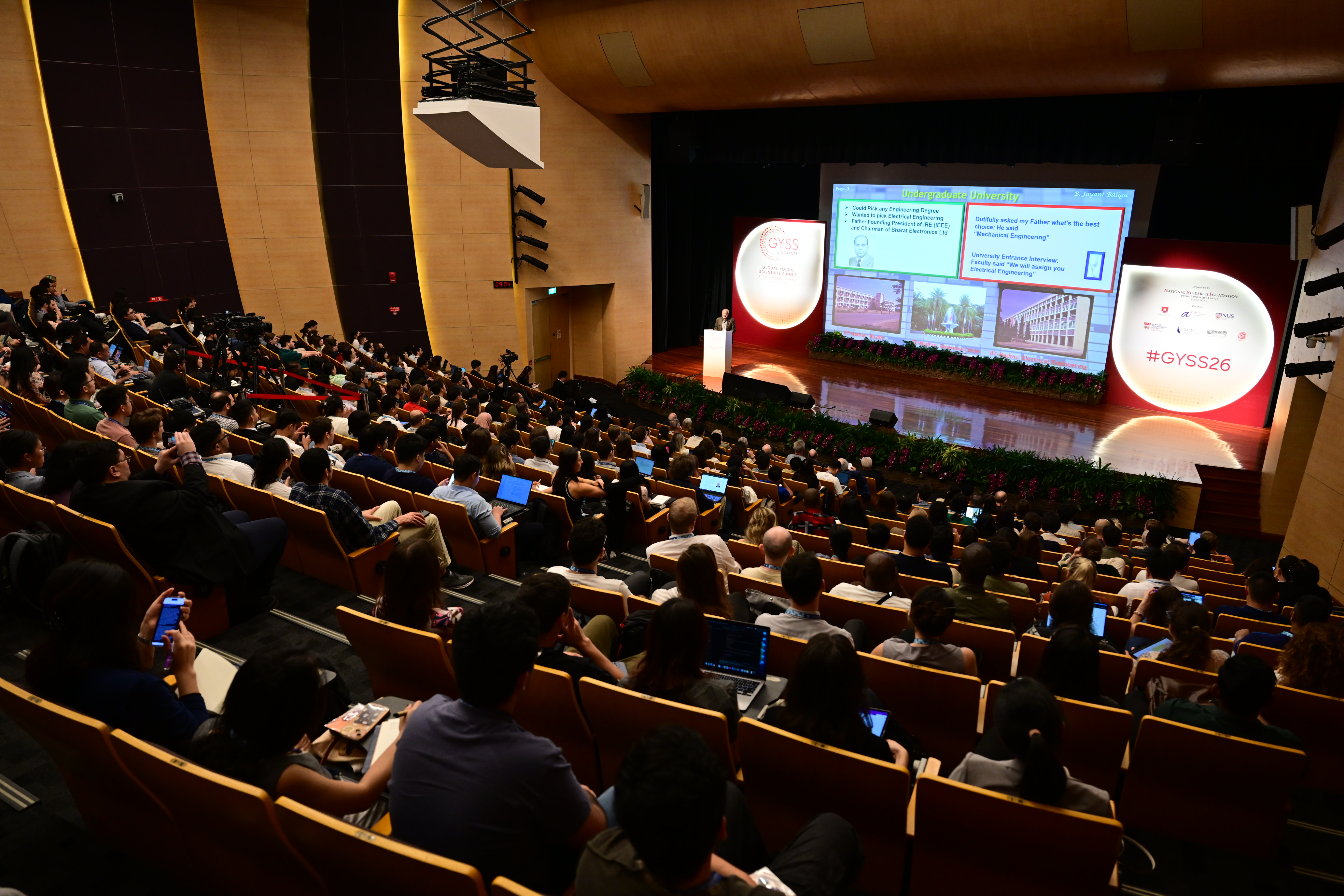
Looking ahead toward emerging frontiers, the Brains & Bytes: Levelling up Research in the Age of Generative AI panel examined generative AI's opportunities and potential pitfalls in research. The laureates agreed that while AI offers powerful tools for data analysis and automation, human creativity, curiosity, and serendipity remain irreplaceable in scientific discovery.
As GYSS 2026 concluded, participants left with new friendships, fresh perspectives, and renewed commitment to advancing knowledge across boundaries—ready to shape the future of research together.
Video and Photo Repositories
To look back on the most inspirational moments of GYSS 2026, here are links to the full video playlists and photos of the plenaries, panel huddles, quickfire pitches and more:
For more information on GYSS 2026: